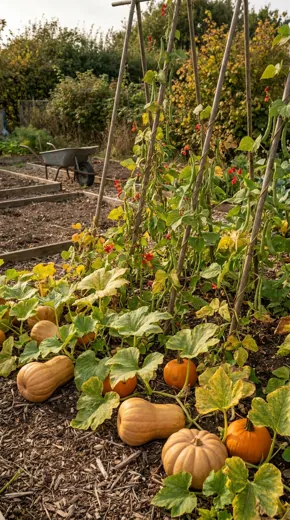
August sowing in the UK is about making careful use of the season ahead. Summer crops may still be producing heavily, yet the useful growth available for new plants is beginning to narrow. Early August in a sheltered southern garden offers different possibilities from the final week on an exposed northern plot. Choose varieties and harvest goals that match the remaining light and warmth, and resist treating every empty bed as an invitation to sow anything.
Autumn greens are often the most useful new project, alongside timely planting of seedlings already raised. Meanwhile, tomatoes, beans, courgettes and fruit need harvesting and reliable water. A good August plan therefore combines a small number of realistic new crops with careful maintenance of the existing harvest. It also prepares soil and protection for cooler months, so the garden does not move from summer abundance into a rushed, untidy autumn changeover.
Understand the effect of shorter days
Plants respond to more than the temperature you feel on a warm afternoon. Day length decreases after midsummer, and falling light later in the season slows growth. A crop described as quick in spring or early summer may take longer from a late sowing. Packet estimates are useful guides rather than promises. Pay close attention to the final recommended sowing period for the variety and to whether the intended harvest is young leaves or a mature plant.
Regional differences become more important as the margin narrows. Southern lowland gardens can retain useful growing conditions longer than colder, higher or more exposed sites. A sheltered courtyard may offer extra warmth but lose direct sun sooner behind nearby buildings. Check where autumn shade will fall before planting. The brightest August corner is not necessarily the most useful position once the sun sits lower and neighbouring crops have filled out.
Make the crop goal explicit. Several pickings of baby leaves require a different schedule from a full-sized cabbage or a large root crop. Choosing a young harvest can make some sowings useful, but it does not remove species and variety requirements. Check that the crop is suitable for that method and leave appropriate spacing. If the remaining window looks marginal, use a small trial area and keep the main bed available for a more reliable purpose.
Autumn greens to consider
Mizuna, mibuna, pak choi, tatsoi and suitable Chinese cabbage varieties can fit late-summer plans where their recommended windows and local conditions align. Read the packet carefully because these crops differ in growth habit and bolting response. Some are harvested repeatedly for leaves while others are grown as whole plants. Do not sow them all at the same spacing or assume the same harvest date. Label each batch with variety, date and intended use.
Suitable lettuce and other fast salad crops may still be possible, especially early in the month and in mild areas. Choose varieties described for the intended season. Warm dry conditions can complicate germination, so prepare a manageable area that you can keep evenly moist. A small module tray in suitable conditions can offer better control for some crops, but it still needs light, ventilation and prompt planting when the roots are ready.
Rocket and appropriate quick leafy crops can make useful additions where the sowing window allows. Sow little and check emerging plants closely for pests. If flea beetles or other local problems repeatedly damage a crop, fit an appropriate barrier and manage establishment rather than simply sowing thicker. Overcrowding can create a different problem. Decide whether the crop will be cut young or left to develop, then thin according to that plan.
Turnips may provide small roots or greens from suitably timed sowings. Spring cabbage and overwintering onions require the correct varieties and regional schedule; they are not interchangeable with summer types. In colder districts a late August seed start may be too ambitious for the intended mature harvest. Check local guidance and the packet before committing. Healthy young plants from a suitable source can sometimes offer a more realistic route than starting seed at the edge of its window.
Distinguish sowing from planting
A monthly list that says a crop can be planted may refer to seedlings already raised earlier, not seed started now. This matters for leeks and many winter brassicas. Assess the plants you have and prepare their final positions at proper spacing. Do not delay transplanting indefinitely while summer crops occupy the intended bed. If a clash is developing, make a clear choice about which crop serves your needs rather than leaving incoming plants root-bound in tiny modules.
Water root balls before planting when needed, settle plants carefully and inspect them afterwards. Warm soil can support establishment, but dry weather creates a substantial demand before roots spread. Fit appropriate pest protection immediately where required and keep it large enough for later growth. Taut, secure netting reduces wildlife risks. Check edges after weeding and watering, since ordinary maintenance can open a gap that defeats the protection.
If buying young plants, inspect for healthy roots, balanced growth and clear identification. An oversized tray at a discount is not necessarily good value if the plants are badly stressed or unsuited to the season. Check the intended mature spacing before purchase. A tray of small brassicas can require a sizeable bed, and fitting too many into a narrow leftover strip usually creates avoidable competition and difficult harvesting.
Manage late sowing limitations honestly
Tender summer vegetables such as beans, courgettes and outdoor tomatoes generally need an earlier start than August seed in ordinary UK outdoor conditions can provide. A warm greenhouse afternoon does not create enough season for every crop. Specialist heated systems alter possibilities, but they are not a realistic assumption for a standard home garden. Focus new sowing on appropriate late crops and keep existing tender plants productive for as long as conditions allow.
Carrots and beetroot also need careful variety and timing checks if considered late. Some early-month sowings in favourable areas may provide small crops, while later or colder situations may not. Do not present a fixed harvest date as certain. If a packet's window has closed, use the remaining seed appropriately next season if viable, or choose another crop now. Finishing a packet is not a sufficient reason to occupy a bed.
Record the precise sowing date because early and late August can lead to very different results. Note the site's light, protection and moisture conditions as well. That record becomes a useful local guide next year, particularly where national calendars are broad. A small experimental row can be worthwhile if you are comfortable with uncertainty. Keep experimentation distinct from the main crop you are relying on for a meaningful harvest.
Keep seedbeds moist without waterlogging
Dry surface soil can interrupt germination just when the calendar leaves little time for a replacement batch. Prepare a small area, water appropriately before sowing and cover seed at the recommended depth. Use a gentle watering method afterwards so seeds remain in place. Check frequently during wind or heat. A manageable row receiving steady care is more useful than several long rows whose surfaces repeatedly dry between visits.
Modules can dry especially quickly once roots occupy the compost. Check inside the medium and water according to need rather than assuming every tray requires the same amount. Ensure drainage remains free. A tray left standing in water can develop root problems even while neighbouring trays dry out. Keep labels secure and group plants with similar requirements where practical, making the watering routine clear for anyone helping during holidays.
Temporary shading may help suitable seedlings during harsh conditions, but maintain enough light and air movement. Avoid leaving propagation covers sealed in hot sunshine. Inspect emerging growth daily and remove or ventilate covers as appropriate. If seedlings stretch or deteriorate, review light, temperature, spacing and moisture before reaching for fertiliser. The problem may be environmental, and additional nutrients cannot replace a suitable growing setup.
Harvest fruiting crops and protect quality
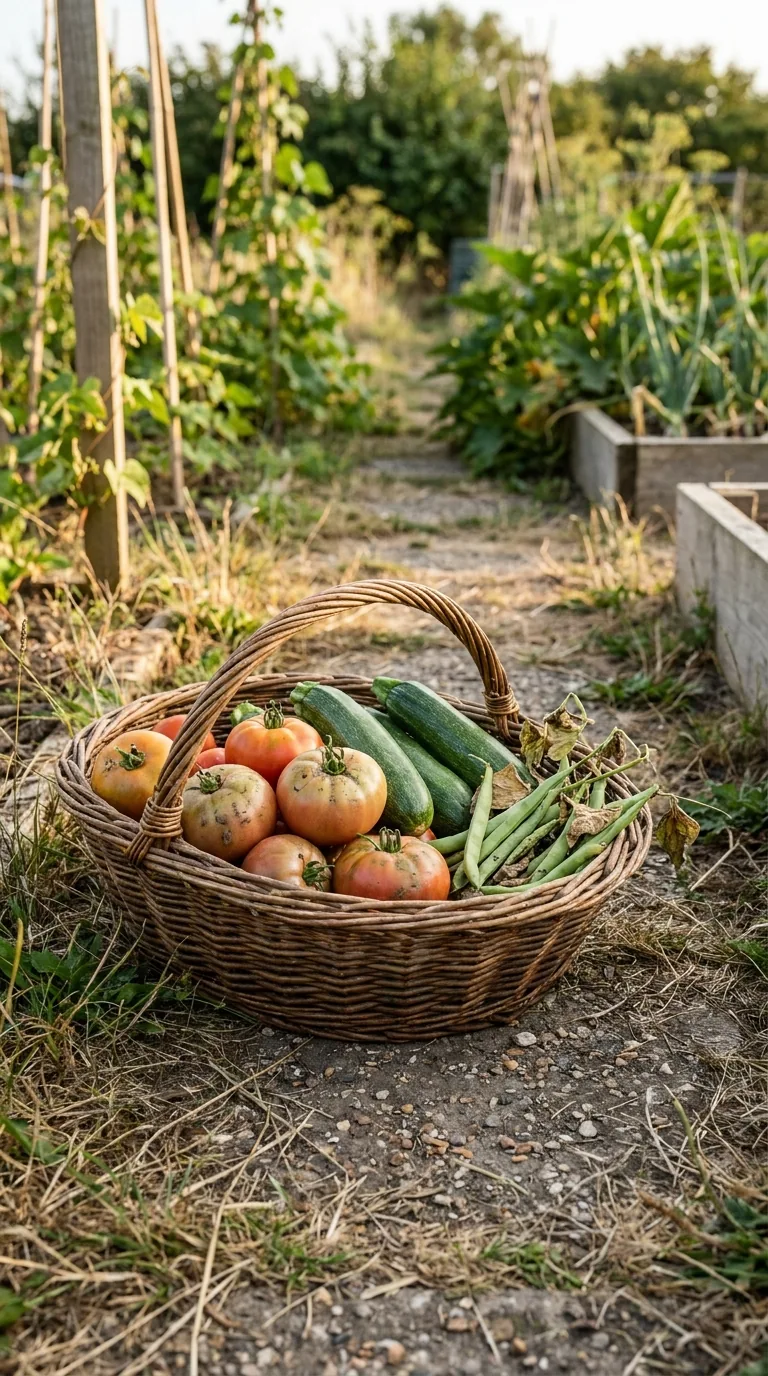
Pick courgettes and beans regularly at the size and stage suited to their intended use. Check beneath leaves so oversized fruits do not remain hidden. Support laden plants where needed and handle stems carefully during harvest. Tomatoes require consistent moisture, suitable feeding and ventilation in protected spaces. Avoid repeatedly drying the root zone and then flooding it. A stable routine supports crop quality more effectively than occasional dramatic rescue watering.
Inspect tomatoes and potatoes for developing disease symptoms, especially during conditions favourable to blight. Identify the problem accurately before removing large amounts of healthy foliage or applying a treatment. Keep suspect material separate and follow suitable local disposal guidance. If using any garden product, follow the current label, crop approval and harvest interval. Observation, hygiene and good growing conditions remain central, even when a treatment is available.
Do not confuse all late-season leaf changes with the same disease. Older leaves may decline naturally, plants may suffer drought stress and several problems can occur together. Note where symptoms begin, how quickly they spread and whether fruit is affected. Photographs and a written description can help when seeking reliable identification. Acting on a clear diagnosis is more useful than copying a remedy intended for a different crop or problem.
Turn beds over carefully
After a crop finishes, remove its remains according to their condition and disease risk. Clear persistent weeds and assess the surface before the next planting. Avoid unnecessary deep cultivation in dry soil or repeated trampling in wet conditions. A modest top-up of suitable well-rotted organic matter may be appropriate, but nutrient needs differ by crop. Do not automatically apply several feeds simply because the previous plants have been removed.
If you cannot use a bed for a worthwhile food crop, consider an appropriate green manure or other suitable soil cover. Species choice depends on sowing date, soil, the following crop and how you will terminate it. A green manure is a crop with management requirements, not a packet you can sow and forget. Make sure establishment moisture is available and plan removal before it becomes a difficulty for the next planting.
Keep records of known soil problems and previous crop families when deciding the next occupant. In a small plot, a perfect rotation may be impractical, but repeated serious disease in the same position deserves attention. Avoid moving contaminated soil or suspect plant remains casually around the garden. Use the turnover period to improve access, repair edging and check drainage rather than hiding an unresolved problem beneath another dense planting.
Prepare autumn protection before you need it
Inspect fleece, hoops, cloches and cold frames now. Repair or replace damaged fixings, clean suitable glazing and ensure lids can be secured against wind. Check the dimensions against the actual bed and mature crop height. A cover that fits tiny seedlings may press against foliage later. Store equipment where it can be deployed quickly, while keeping sharp stakes and loose materials safely out of paths.
Protection can extend useful growing conditions and shelter crops, but it cannot fully replace lost daylight. Keep expectations realistic and match the crop to the season first. Manage ventilation and moisture under covers, especially during warm autumn days. Allow pollinators access where needed and inspect for pests. A small well-monitored protected area is easier to use successfully than a large collection of tunnels installed without a routine for opening, watering and checking them.
A practical August plan for two beds
Suppose one bed still carries tomatoes and the other has just finished early potatoes. Maintain the tomatoes, inspect their supports and harvest regularly. Clear the potato bed carefully and decide whether an appropriate autumn green suits the remaining season. Sow a small batch or plant healthy seedlings at proper spacing, keeping an access strip. Leave a portion suitably covered if you cannot reliably water the whole bed during establishment.
In a cooler garden late in the month, the same available bed may be better used for suitable transplants or soil protection than a broad range of new seeds. Make the decision using variety windows and actual conditions. For a patio, a single container of suitable leaves may be enough. Choose a position with autumn light and keep drainage free. Small, maintainable projects can provide useful results without competing with the main summer harvest.
Move into autumn with a clear record
Review emergence, survival and remaining space before making another sowing. The September sowing guide follows the transition towards cooler conditions and more selective planting. Carry forward the actual dates and varieties you used in August. If a trial succeeds, its conditions matter as much as the month printed beside it; if it fails, that is useful evidence for a revised local schedule.
August success is realistic continuity. Keep summer crops healthy, establish a limited number of suitable autumn plants and prepare soil and protection thoughtfully. Respect decreasing light, regional season length and the difference between seedlings planted now and seed only just beginning. With those distinctions clear, the garden can move into the next season through deliberate useful jobs instead of relying on a late burst of sowing to solve every empty space.