November is primarily a month for protecting what is established and preparing for the next season. There are planting opportunities in suitable UK gardens, especially for dormant fruit plants and a few carefully chosen vegetables, but this is not a general replacement for spring sowing. Cold, wet soil and limited daylight can make a seemingly simple job unsuitable even when the air feels mild.
Start by separating living crops from empty space and movable containers from permanent plants. Each needs a different response. A winter cabbage may remain outdoors with sound support and bird protection, while a tender potted plant may need a frost-free place. A bare vegetable bed might benefit from surface cover rather than another crop. The most useful November plan is specific, modest and responsive to the weather.
Make drainage the first planting test Observe your proposed planting area after substantial rain. A few puddles that disappear quickly differ from water remaining around roots for days. Digging a planting hole into saturated ground can create a sump, particularly where surrounding soil drains poorly. Do not plant simply because a bare-root order has arrived. Contact the supplier promptly if conditions or storage needs are unclear, and keep roots protected from drying while arranging a suitable solution.
Avoid working soil that is frozen, waterlogged or easily smeared. Use existing paths to reach crops, and postpone jobs that require repeated foot traffic across beds. In a heavy garden, tidy the access and remove obvious obstructions to surface drainage without sending water onto neighbouring land. Persistent flooding deserves diagnosis beyond adding compost to one hole. A raised bed can provide a better root zone, but it cannot make trapped water disappear.
Plant dormant fruit only in suitable ground Late autumn can suit planting bare-root fruit trees and bushes once plants are dormant and soil conditions are right. Choose species, varieties and rootstocks suited to the available room, soil and local climate. Check pollination requirements before ordering a tree. A compact garden needs a genuinely appropriate rootstock and training plan; buying a tree first and hoping pruning will keep it small can create years of unnecessary work.
Prepare enough room for roots to spread naturally, set the plant at the correct depth and follow supplier instructions for staking and ties. Do not bury a graft union. Firm carefully, water to settle the soil when needed and apply a suitable mulch with space around the stem. Protect from rabbits or other local damage if necessary. Establishment continues after planting, so plan for watering during dry periods in the following spring and summer.
Consider broad beans cautiously Overwintering broad beans are a conditional November option, chiefly in mild places with well-drained ground and suitable varieties. Follow the packet's depth and spacing instructions and resist sowing a large area into cold mud. Poor establishment can cancel the intended advantage over spring sowing. In colder gardens, a small sowing in pots in an unheated greenhouse may be easier to monitor, provided pots are protected from severe cold and hungry mice.
A sheltered structure does not remove the need for inspection. Check moisture before watering and avoid leaving pots in standing water. Once seedlings emerge, provide sufficient light and ventilation so they remain sturdy. Protect outdoor seedlings from birds with safe, securely fixed material. If the site is exposed or the packet's autumn window has passed, wait. A healthy spring crop is a worthwhile plan, and there is no requirement to put seeds into every empty November bed.
Start garlic without ignoring winter wet Garlic can still be planted where variety, soil and conditions are appropriate. In very wet or cold ground, starting cloves in modules inside a cold frame is often more practical than forcing direct planting. Use healthy planting stock and reject soft or mouldy cloves. Keep the cloves the right way up and label varieties separately, because planting and harvest timing can differ.
Choose modules with drainage and enough room for developing roots. Keep them cool and bright rather than trying to accelerate leaves in a warm room. Compost should remain lightly moist, with excess water free to drain. Check that roots are not becoming tightly confined before spring planting. Outdoors, select a sunny, freely drained bed and use the recommended depth and spacing. Do not assume that a heavy mulch will prevent cloves rotting in soil that remains saturated.
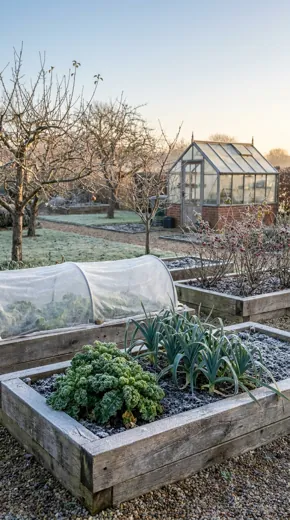
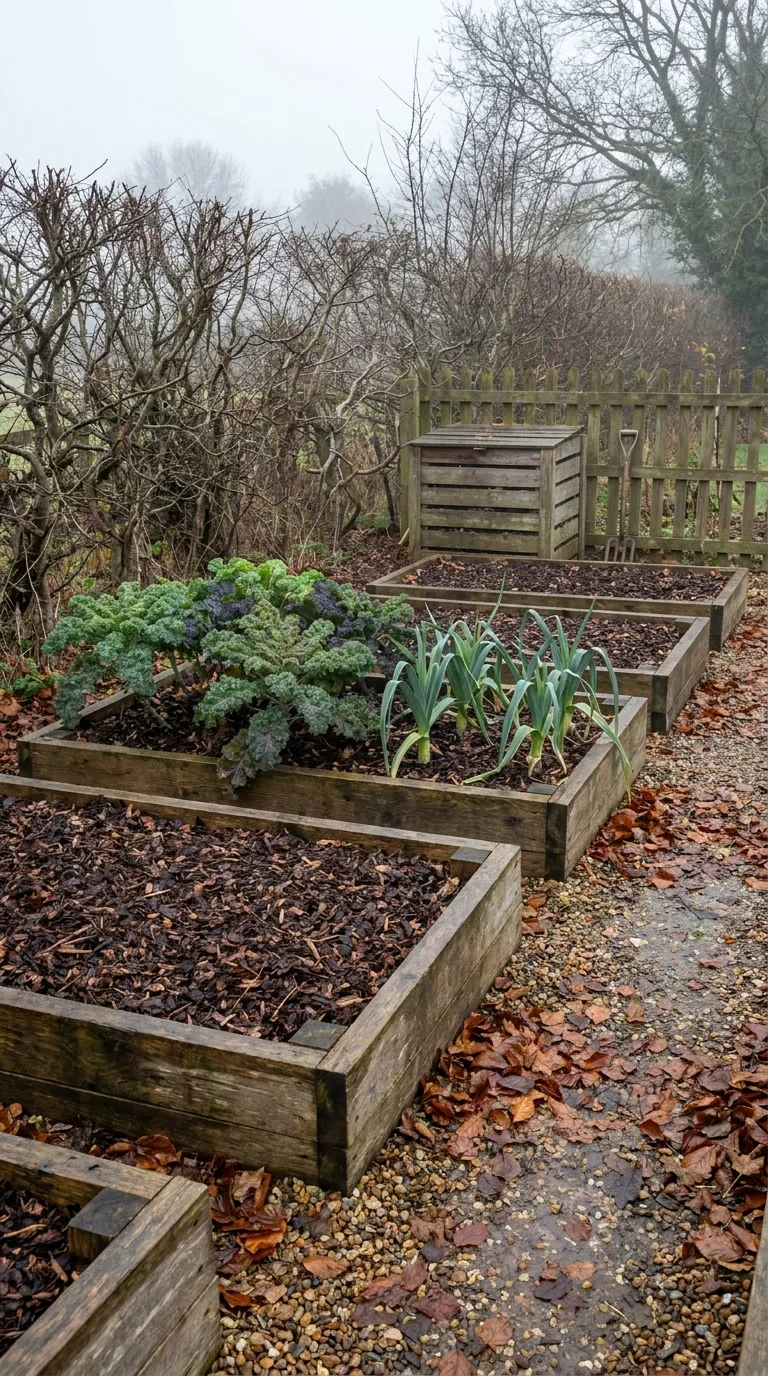
Recognise crops that should already be established Winter leeks, kale, Brussels sprouts and many winter cabbages are normally raised much earlier in the year. November is a time to tend or harvest those plants, not to start them from seed for an imminent winter crop. This distinction matters when reading a list headed winter vegetables. The list may describe harvest time, planting-out time or seed-sowing time, and those are different stages.
If buying young plants, inspect their size, roots and condition before purchase. Very small late plugs may have little time to establish outdoors. Healthy mature plants can still suffer if transplanted into unsuitable conditions. Work with the crop's stage and the recommended season rather than its name alone. Record the sowing windows you missed so they can be included in next year's plan instead of buying disappointing substitutes at the end of autumn.
Keep established crops stable and accessible Check tall brassicas for movement at the roots after windy weather. Firm gently when soil is suitable and add a support where it can prevent further rocking without damaging the stem. Inspect bird netting for gaps, loose loops and places where wildlife could become trapped. Raise or adjust it as crops grow; netting laid against leaves can allow pigeons to reach the crop through the mesh.
Remove badly yellowed or decaying leaves when they are likely to trap damp around plants, while retaining healthy foliage needed for growth. Harvest regularly rather than leaving ready produce to deteriorate. Some hardy roots can remain in suitable ground, but frozen soil may make them difficult to lift when needed. Consider keeping a modest accessible supply before a prolonged cold spell, using storage conditions appropriate to the crop rather than a warm kitchen cupboard.
Protect containers from roots upwards Roots in containers experience a different environment from roots in open ground. A plant described as hardy may still be vulnerable in a small exposed pot, particularly if its compost stays wet. Move suitable containers into a sheltered position, group them without blocking airflow and check drainage holes. Remove outdoor saucers that collect winter rain unless the particular plant has a reason to need them.
Insulate vulnerable pot walls where appropriate, keeping drainage unobstructed and foliage adequately ventilated. Wrapping a pot is different from enclosing an entire plant in airtight plastic. Check the condition of frost-sensitive terracotta and move fragile containers under shelter if needed. Small pots dry out surprisingly quickly in wind or under eaves, so continue moisture checks. Winter watering should follow the plant's condition, rootball and weather; neither daily watering nor complete neglect is a reliable rule.
Give tender plants the shelter they require Identify which potted plants need a frost-free winter and which can remain outside with reduced exposure. Move tender specimens before a damaging freeze rather than after blackened foliage appears. Inspect for slugs, aphids and other pests before bringing plants close together. Remove loose debris and use clean staging so winter accommodation does not become a hiding place for avoidable problems.
A greenhouse without heat can fall below freezing, and a shed without light is unsuitable for many plants that retain green leaves. Select the location according to the species' needs. Do not cram so many plants together that air cannot move or leaves remain damp. Monitor temperatures with a simple minimum thermometer if possible. If supplementary heat is used, follow equipment instructions and arrange ventilation; a small heater is not a reason to ignore safety, costs or plant checks.
Use leaves as a resource Collect leaves from paths, pond covers and areas where they smother small plants. Elsewhere, a light natural cover can remain under appropriate established shrubs. Gather spare leaves for leafmould in a ventilated enclosure or perforated bags. Keep them reasonably moist and expect gradual decay. Different leaves break down at different rates, so avoid promising a finished product within a fixed number of weeks.
Leafmould is mainly a useful soil conditioner and mulch rather than a strong fertiliser. Keep the collection separate from household litter, synthetic twine and large woody debris. Do not rake through every undisturbed corner of the garden; many invertebrates use leaves as shelter. Concentrate on areas where clearance has a practical benefit. If a plant has a specific disease for which fallen leaves are an important source of infection, follow advice for that disease rather than relying on general leafmould practice.
Cover empty beds without burying problems Mature garden compost can protect the surface of cleared soil. Weed first, apply while the ground is workable and keep material away from stems of neighbouring plants. Where suppressing weeds in a new bed, plain cardboard beneath compost may help, but remove tape, staples and plastic coatings. Overlapping material needs secure edges, especially on a windy allotment. Do not cover established desirable perennials by mistake.
Covering a bed is different from feeding a crop that is actively growing. Avoid indiscriminate applications of fresh manure or high-nitrogen fertiliser. Consider the next crop and the actual condition of the soil. If there are persistent weeds, waterlogging or disease problems, note and address them rather than hiding them under a thick surface. Access remains essential: a tidy bed is quickly compacted if every winter inspection requires walking across it.
Check stores, supports and small structures Inspect stored fruit and vegetables regularly, removing spoiled items before adjacent produce is affected. Keep different crops in suitable conditions, since potatoes, onions, apples and squash do not share identical needs. Label varieties and harvest batches so short-keeping produce is used first. Storage trays should be accessible enough to examine; a stack packed tightly into a damp corner is easy to forget.
Check cold-frame lids, greenhouse clips, shed doors and loose fencing after storms. Secure objects that could blow onto plants. Clean and dry reusable canes before storing them, and inspect tools for cracks or loose handles. Carry out only work that can be reached safely; roof and high gutter repairs may need appropriate help. Drain and store vulnerable watering equipment according to its instructions, leaving outdoor taps and containers arranged to reduce freeze damage.
Use a weather-dependent task list
Separate November work into tasks for workable soil, tasks for dry weather and tasks that can be done under cover. Planting and spreading bulky material belong in the first group. Inspecting a roof or using electrical equipment outdoors may require its own safe conditions. Seed sorting, label preparation and reviewing a crop plan can continue without entering a wet bed. This simple division prevents a free afternoon from becoming a reason to work unsuitable ground.
For a short garden visit, choose one essential check and one optional improvement. Inspect the tender plants or secure a loose cover first; then clean a few pots if time remains. Keep the list proportionate to daylight and energy. A small completed repair often prevents more winter trouble than a half-finished attempt to reorganise the entire plot.
Review the list after a storm rather than assuming last week's priorities still apply. A displaced cloche, newly blocked drain or broken pot may now be more urgent than planting. Note what repeatedly fails in wind or rain so next year's layout can be improved. This turns maintenance into information about the garden, rather than a sequence of identical repairs with no lasting change.
Plan a short November routine A useful weekly visit begins with safety and weather damage, then moves to crop condition, stored harvests and container moisture. Harvest what is ready, repair a loose cover and remove a blockage before adding new tasks. This order makes limited daylight useful. Keep dry-ground jobs separate from indoor tasks such as seed sorting, cleaning pots and sketching a planting plan.
In a cold northern garden, no new sowing may be the best November decision. In a mild sheltered garden, a modest garlic or broad-bean project may be reasonable. Neither approach measures how successful a gardener is. The December garden guide explains how to continue crop care and planning when opportunities narrow further. A prepared plot, healthy overwintering plants and clear notes are valuable results even when no new seedlings appear this month.